


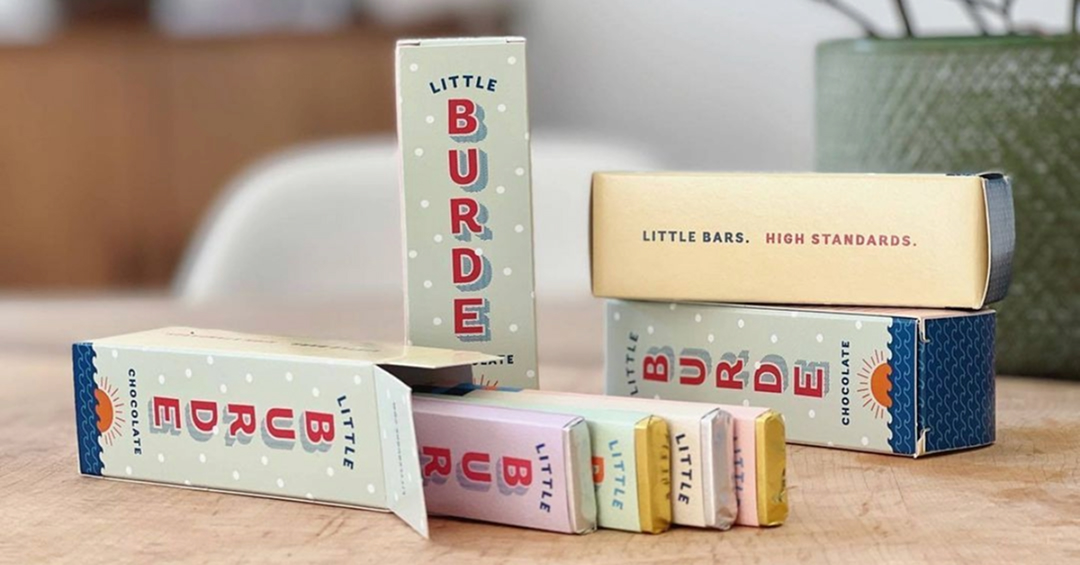
Packaging is no longer just about keeping your products safe during transit. Today, it plays a crucial role in shaping your brand image, enhancing customer experience, and positioning your products in a competitive market. The right packaging can turn a simple purchase into a memorable experience that encourages repeat business.
If you are a business owner, retailer, or entrepreneur, understanding the difference between custom packaging and stock packaging is essential. Each has its own advantages and challenges, and choosing the right solution can significantly impact your brand’s success. In this guide, Custom Boxes UAE explores the key differences, benefits, and considerations to help you make an informed decision for your packaging needs.
What Is Stock Packaging?
Stock packaging refers to ready-made packaging solutions that are produced in standard sizes and designs. These products are available for immediate purchase and usually do not include any branding elements. Stock packaging is widely used for businesses that need functional packaging quickly without the need for customization.
Advantages of Stock Packaging
- Cost-effective: Stock packaging is generally more affordable due to mass production and standardization.
- Quick turnaround: Because these packages are pre-made, businesses can receive them almost immediately.
- Lower minimum orders: Stock solutions often allow for smaller order quantities, making them ideal for startups or low-volume products.
- Ease of sourcing: Available from many suppliers, stock packaging is easy to find and purchase.
Disadvantages of Stock Packaging
Limited branding opportunities: Stock packaging offers minimal options for logo placement or brand storytelling.
Restricted sizes and shapes: You may not find a perfect fit for your product, which could affect protection and presentation.
Less memorable customer experience: Standard designs may not create a lasting impression or reflect premium quality.
Limited sustainability options: Stock packaging may not offer eco-friendly materials or designs tailored to environmental goals.
Stock packaging is ideal for businesses that prioritize speed and cost over branding. However, as your brand grows, the limitations may start to impact customer perception.
What Is Custom Packaging?
Custom packaging is specifically designed and manufactured to meet a brand’s unique requirements. This approach allows businesses to create packaging that aligns perfectly with their product dimensions, brand identity, and customer experience goals.
Benefits of Custom Packaging
Enhanced branding: Your logo, colors, and design elements can make your product instantly recognizable on shelves or online.
Perfect fit and protection: Custom sizing ensures that products are secure and protected, reducing damage during shipping.
Premium customer experience: Thoughtful designs, finishes, and unboxing experiences can leave a lasting impression on customers.
Sustainability options: Custom packaging allows the use of eco-friendly materials, recycled cardboard, and innovative designs that support environmental goals.
Market differentiation: Unique packaging sets your product apart from competitors, helping attract attention and build loyalty.
Potential Drawbacks of Custom Packaging
Higher cost: Customization requires design, tooling, and production investment, which can increase the overall cost per unit.
Longer lead time: Designing and manufacturing custom packaging takes more time than purchasing stock options.
Complex production process: Creating tailored packaging may require additional coordination with suppliers and designers.
Despite these challenges, custom packaging is often worth the investment for businesses that prioritize brand identity, customer experience, and product protection.
How to Choose Between Custom and Stock Packaging
Deciding between custom and stock packaging depends on several key factors. Here are some actionable considerations for businesses:
Brand positioning: Premium brands benefit from custom packaging that reflects quality and uniqueness, while more functional products may do well with stock packaging.
Budget: Assess your available resources and balance cost with the long-term benefits of branding and customer experience.
Order volume: High-volume businesses may find stock packaging more economical, whereas smaller batches or high-value products can justify custom designs.
Marketing value: Consider how packaging contributes to brand storytelling, online unboxing experiences, and repeat purchases.
Environmental concerns: If sustainability is central to your brand, custom packaging allows you to choose eco-friendly materials and reduce waste.
Businesses often find that understanding these factors helps them make a strategic choice rather than a purely cost-based decision.
Hybrid Solutions: Combining the Best of Both Worlds
For some businesses, hybrid packaging solutions offer a smart compromise. These approaches combine stock packaging with customized elements such as:
Branded labels or sleeves
Customized inserts for product protection
Personalized finishing touches like embossing or foil stamping
Hybrid solutions allow companies to maintain cost efficiency while adding a unique brand touch, making them an excellent choice for emerging brands or seasonal product lines.
Conclusion
Choosing between custom and stock packaging is not a one-size-fits-all decision. Stock packaging provides speed and affordability, making it ideal for functional needs and smaller budgets. Custom packaging, on the other hand, offers branding opportunities, product protection, and memorable customer experiences that can elevate your brand.
Hybrid solutions can also provide a balance for businesses seeking affordability and customization simultaneously.
At Custom Boxes UAE, we help businesses determine the best packaging solution for their products and brand goals. Contact us today to explore custom packaging options that perfectly align with your vision and leave a lasting impression on your customers.

